Guides
Party Rental Inventory Shrinkage: How to Stop Losses Before They Show Up
Shrinkage in party rental inventory leaves through the dock, the event site, storage, and subrentals. Here is how to detect it early and document it.
What to take away
- Shrinkage in party rental inventory leaves through four doors: the dock, the event site, storage between seasons, and subrentals that never come back.
- Annual counting hides the problem. Count tagged items at every return and run a full physical count on a fixed calendar.
- A loss log with photos, contract numbers, and reason codes is the evidence behind insurance claims and tax write-offs.
- Your own refusal and subrental logs already show which missing items are worth replacing.
Where party rental inventory actually disappears
The loading dock is the first door. Crews count fast at the end of a long day, mixed loads get signed off by the truck instead of the item, and one missing chair per event reads as a rounding error until the season ends.
On site loss looks like damage. Linens become spill rags, glassware leaves in the trash, and a second location pickup strands a stack of chairs. A deposit only works when the contract names the item and the charge.
Storage is the quiet door. Canvas mildews, plywood delaminates, and rodents nest in table linens. Rotate stock so the oldest gear ships first and every shelf gets inspected.
Layout decides how fast a return can be checked. Design the path so counted items go straight to a labeled shelf, using the material handling guidance in OSHA's warehousing safety guidelines.
Subrentals and refusals are the fourth door. Gear you sub in carries no tag in your system, and gear you refuse is demand you did not serve. Both logs inform party rental demand in 2027, when venue in-house stock and labor costs change the math.
The audit cadence that catches shrinkage before it compounds
- Assign an asset ID to every item above a set value the moment it enters inventory.
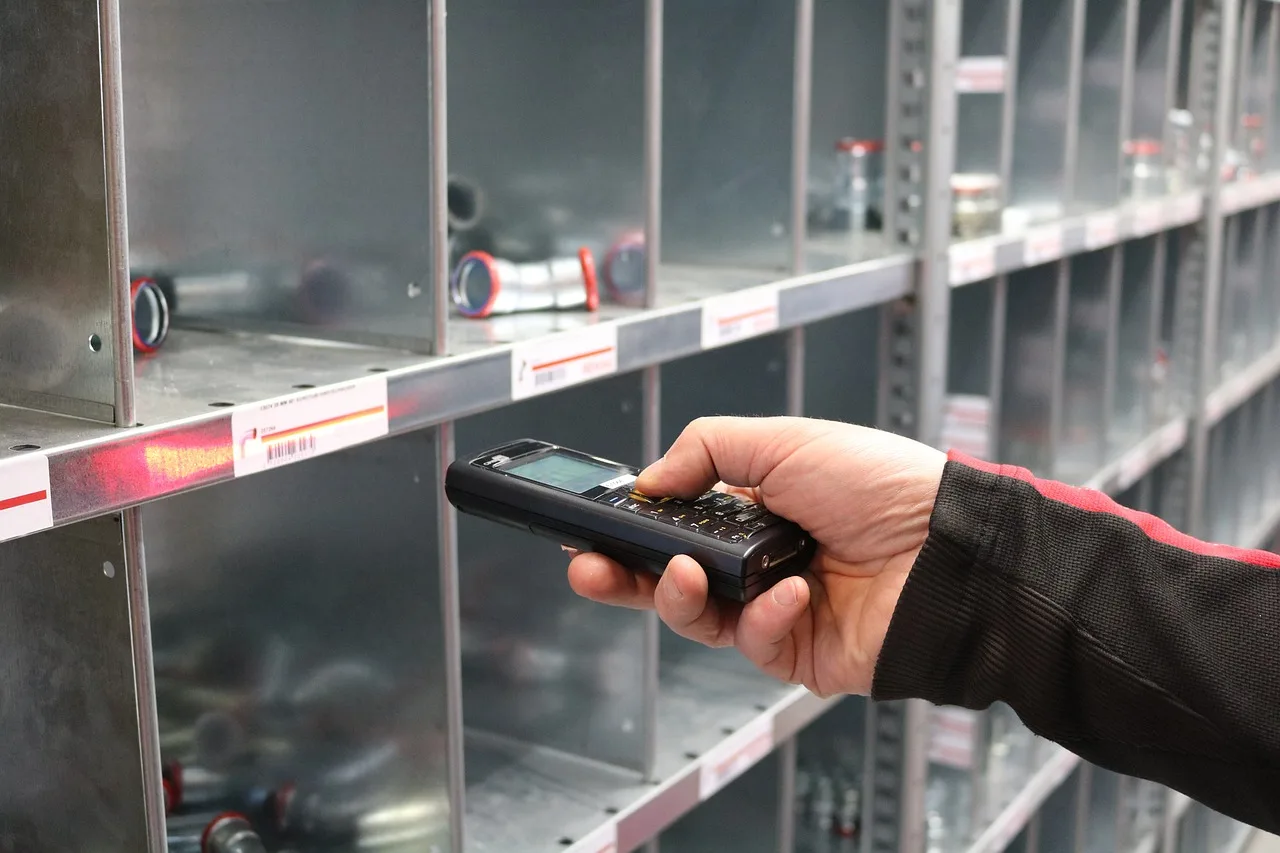
- Scan that ID at load-out and again at check-in, before anything reaches a shelf.
- Reconcile the check-in count against the contract and the delivery ticket the same day.
- Post each variance to a loss log with a reason code instead of a note.
- Run a full physical count on a fixed calendar, monthly for consumables and quarterly for durable goods.
Cycle counting beats one annual count because memory fades and paperwork thins out. A short weekly count keeps each variance small enough to explain.
Loss Reason Codes and Proof
Reason code
- R1 Short return
- Item never came back
- R2 Damage
- Item came back unusable
- R3 Storage loss
- Gear degraded on the shelf
- R4 Subrental
- Item left system untagged
What it means
- R1 Short return
- Signed pickup count and photos
- R2 Damage
- Time-stamped photos and crew note
- R3 Storage loss
- Shelf location and rotation record
- R4 Subrental
- Subrental agreement and invoice
Proof to collect
- R1 Short return
- R2 Damage
- R3 Storage loss
- R4 Subrental
Audit Cadence That Catches Shrinkage
- Assign asset ID on entry
- Scan ID at load-out and check-in
- Reconcile count same day
- Post variance to loss log
- Run fixed physical counts
| Reason code | What it usually means | Proof to collect |
|---|---|---|
| R1 Short return | Item never came back | Signed pickup count and check-in photos |
| R2 Damage | Item came back unusable | Time-stamped photos and a crew note |
| R3 Storage loss | Gear degraded on the shelf | Shelf location and rotation record |
| R4 Subrental | Item left the system untagged | Subrental agreement and vendor invoice |
Example: fields that settle a damage dispute
Picture a returned table with a cracked leg. The log entry holds the contract number, the asset ID, the check-in date, two photos, the crew initials, and the replacement charge from your price list. That entry is what an insurer or a small claims court reads. Without it, the charge looks arbitrary.
Documenting damage and loss for write-offs
A damage waiver should name the covered items and the replacement charge inside the contract. Courts weigh the type and proof of loss, as the overview of damages explains, so vague language invites a fight.
Writing off inventory on your books is not the same as a tax decision. Rental equipment and consumables sit in different tax buckets, and stored gear can trigger use tax before it ever rents.
Keep the write-off packet small: the loss log entry, the contract, the photo, and the receipt for the replacement.
Tools that make counting cheap
Barcode labels cost almost nothing and read with any phone camera. RFID tags drop the line of sight step, so a full cart can be read at once, as the overview of RFID technology explains.
Photo condition reports at pickup and return take about 90 seconds and end most arguments. Store them against the contract number, not in a phone camera roll.
Before you charge a client for a loss, confirm:
- The contract names the item and the replacement charge.
- The pickup count matches the check-in count.
- Photos carry a date stamp.
- The loss log entry has a reason code.
Where the records lead next
Every resolved loss is a chance to keep the customer. A written program such as building a party rental business referral habit settles who you ask, when you ask, and what you may lawfully offer.
Replacement spending should follow demand rather than habit. County level tables help you pick a party rental market where routes stay short and households are family heavy.