Guides
How Phoenix heat changes party rental inventory and delivery timing
Phoenix heat, dust and monsoon storms shorten the life of tents, vinyl and inflatables, and they decide when a delivery crew can safely load out.
What to take away
- Heat exposure is a wear category in Phoenix, not a summer inconvenience. Tents and inflatables fail first, and they fail at the fold, the seam and the coating.
- Inspect high-use fabric after every summer return, monthly in season, and before and after storage.
- Dust hides damage and monsoon moisture feeds mildew. Nothing goes back on the rack wet or gritty.
- Cooling units add water and electrical load, so the power plan decides the quote before the price does.
- Summer load-outs run 3 to 9 a.m. Monsoon afternoons are the window to avoid, and crews need authority to pause.
How Phoenix heat degrades tent fabric, vinyl and inflatables
Phoenix heat is not a spike. It is months of triple-digit days, hard UV and warm nights that never let materials cool back down.
The UV index in Phoenix reaches 11 or higher, the top of the scale, on many summer days.
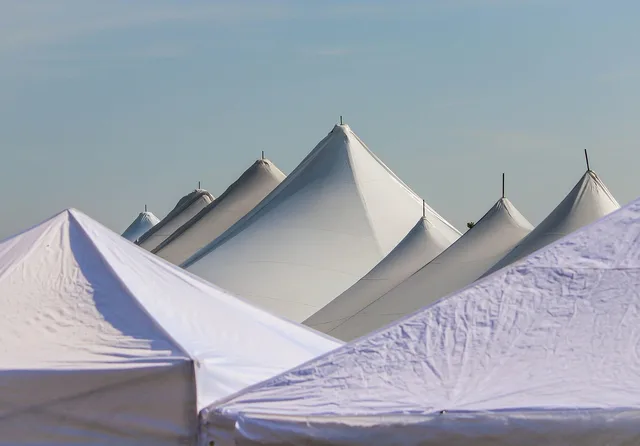
Vinyl-coated polyester tent tops lose plasticizer and stiffen. Stiff fabric cracks along the fold lines, and the seams and thread weaken before the coating shows it.
White tops reflect some heat but still absorb UV. Dark and printed tops run hotter and age faster.
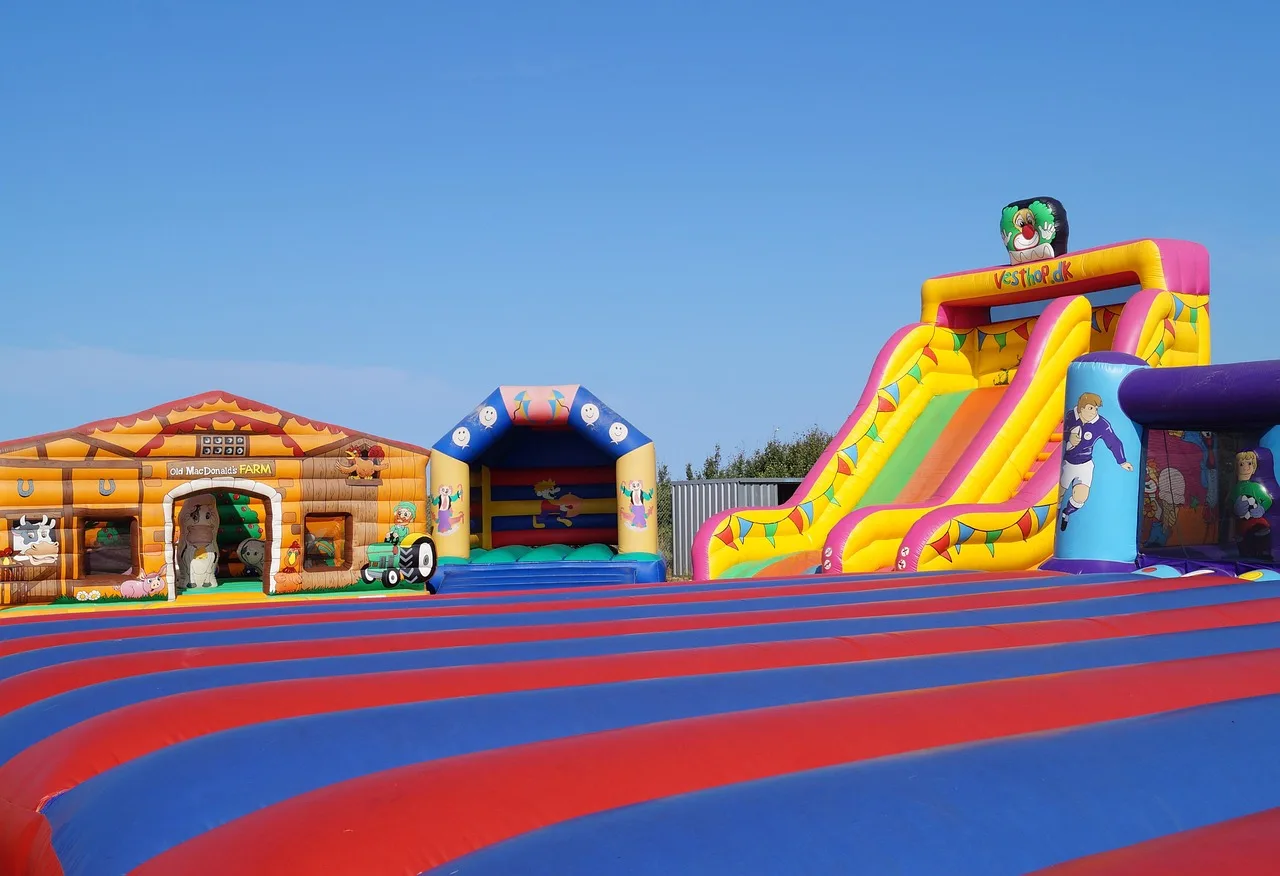
Vinyl inflatables take two hits at once. Heat softens the vinyl, raises internal pressure and loads the seams. Blowers run longer and hotter, and a unit sitting in full sun can reach a surface temperature that makes it unusable for the day.
Dust then bonds to the tacky surface, and scrubbing it off abrades the print.
Tables, chairs and linens wear the same way, just slower. Tents and inflatables tell you first, which is useful if you are recording what you see.
Track by exposure, not by item type. Note which units live in trailers, which sit in a non-climate-controlled warehouse, and which go out on back-to-back summer weekends. Those fail first.
A preventive maintenance checklist gives crews somewhere to write down a small split, chalky vinyl or faded print before a customer finds it.
What heat does to specific items
| Item | Heat and UV effect | What to check |
|---|---|---|
| Vinyl tent top | Stiffening, cracked folds, seam failure | Fold lines, seams, coating flexibility |
| Pole tent hardware | Expansion, loosened fittings | Pins, plates, tension straps |
| Vinyl inflatable | Softening, seam stress, print wear | Seams, blower housing, surface tack |
| Linens | Fading, fiber weakening | Color fastness, tears at hems |
| Plastic tables and chairs | Warping, brittleness | Legs, stacking edges, surface cracks |
Dust, monsoon season and what they do to stored inventory
Dust settles on stacked chairs, inside folded tents and in trailer seams. Mixed with heat it acts like sandpaper on vinyl and grinds into fabric folds.
Monsoon risk by month
- JuneFirst dust events, check trailer seals
- JulyPeak storm risk, confirm weather contingency
- AugustHeaviest rain and dust risk
- SeptemberMonsoon season ends, inspect stored stock
Monsoon season adds water to the same problem. From roughly June through September, one storm can drop heavy rain and blowing dust in the same hour. Open warehouses and trailers take on moisture, and moisture plus heat grows mildew on fabric and corrosion on hardware.
Keep tents and inflatables off concrete floors on pallets or racks. Do not stack anything damp. After a monsoon event, inspect everything that went out before it goes back into storage.
Dust also hides damage. A dusty tent top looks intact until it is washed, so washing and drying belong in the return process. Problems should surface in your yard, not at the venue.
Every summer event needs a weather contingency with a written trigger point for teardown. NOAA weather data supports timing and risk decisions, and it is worth a look before each load-out.
A stock control checklist keeps dust, moisture and damage visible across the season. Without one, the same units go out until they fail in public.
Monsoon risk by month
Treat the season as a running plan, and close out each month before the next storm window opens.
- Junefirst dust events, check trailer seals and covers
- Julypeak storm risk, confirm the weather contingency with clients
- Augustheaviest rain, dry and inspect all fabric after every wet event
- Septemberstorms taper, run the full post-season inspection
- Octoberrepair or retire monsoon-damaged stock before fall demand
Cooling equipment demand and the load it puts on power planning
Fans, evaporative coolers and misting systems are core summer inventory in Phoenix, not an add-on. Demand from May through September can outrun supply during a heat wave. NOAA climate information supports seasonal heat and demand planning.
Power planning points
- List every cooling unit and its amperage draw
- Confirm water access for evaporative coolers
- Check water pressure and drainage for misting
- Plan generator fuel, noise and placement
- Schedule heaviest work outside peak heat
Every cooling unit changes the job plan. Evaporative coolers need water access and ventilation. Misting systems need water pressure and drainage. Fans draw continuously, and once you add lighting, sound and catering, the power plan becomes the constraint on the whole setup.
Generators cover a short venue supply and bring fuel logistics, noise limits, placement rules, their own heat load, plus a need for shade and clearance in Phoenix.
Crew safety belongs in the same plan. Setup in extreme heat requires water, rest and shade, and OSHA heat illness prevention guidance applies to delivery and setup crews on Phoenix summer jobs. Schedule the heaviest work outside peak heat.
Demand also shapes sourcing. If cooling units go out for the season, set repair and replacement budgets before summer, not during it. A party rental inventory plan that ignores cooling capacity loses summer bookings.
Power planning points
- List every cooling unit and its amperage draw before quoting.
- Confirm venue circuits and breaker locations, and whether generators are needed.
- Place generators and blowers in shade with clearance for airflow.
- Stage water access for evaporative coolers and misting lines.
- Brief crews on heat illness signs and the day's rest schedule.
Practical delivery windows for Arizona outdoor events
Delivery timing in Phoenix is heat management. A midday summer setup puts crews and materials in the worst conditions and leaves tents and inflatables cooking in peak sun before guests arrive.
Seasonal delivery windows
Season
- Summer (Jun-Sep)
- Pre-dawn to mid-morning
- Fall (Oct-Nov)
- Morning to early afternoon
- Winter (Dec-Feb)
- Any daylight window
- Spring (Mar-May)
- Morning
Preferred window
- Summer (Jun-Sep)
- Heat, monsoon storms
- Fall (Oct-Nov)
- Wind, dust
- Winter (Dec-Feb)
- Cold nights, early dark
- Spring (Mar-May)
- Wind, dust
Main risk
- Summer (Jun-Sep)
- Fall (Oct-Nov)
- Winter (Dec-Feb)
- Spring (Mar-May)
Early morning is the default summer window, typically 3 to 9 a.m. Start before sunrise where the venue allows it, finish the heavy lifting before the heat builds, and let the site cool before the event.
Evening deliveries suit night events, but they compress setup time and add lighting. Monsoon afternoons are the window to avoid entirely, because lightning and wind arrive fast. Put a weather check in the dispatch routine and give crews authority to pause.
Winter flips the pattern. From roughly November through March, Phoenix days are mild and windows can run later. Do not apply summer rules year-round.
Event start times set the rest. A morning event needs a pre-dawn setup. An evening event can take a late-morning setup if shade and cooling are ready first. A delivery and maintenance routine maps windows to season, event type and venue access.
Seasonal delivery windows
| Season | Preferred window | Main risk |
|---|---|---|
| Summer (Jun-Sep) | 3 to 9 a.m. | Heat, monsoon storms |
| Fall (Oct-Nov) | Morning to early afternoon | Wind, dust |
| Winter (Dec-Feb) | 7 a.m. to 2 p.m. | Cold nights, early dark |
| Spring (Mar-May) | Morning to mid-afternoon | Wind, rising heat |
Inspection and replacement cycles for heat-exposed stock
Heat-exposed stock needs shorter inspection intervals than stock in cooler markets. A tent top that lasts several seasons elsewhere may need annual seam and coating checks here.
Set frequency by exposure. Units that go out every summer weekend get checked after each return. Seasonal storage units get checked before and after the season. Inflatables get checked before every outbound load.
Retire on condition, not age. Cracked folds, chalky vinyl, failed seams, warped plastic and faded print are the signals. Repair pays for hardware and small seam issues. Coating failure and structural fabric damage usually mean replacement.
Budget across the year. Heat damage accumulates all summer, so the repair and replacement backlog peaks in fall. Buying then avoids a scramble before spring.
Track which units fail and why. If one model keeps failing, look at storage and handling before you blame the product. A party rental inventory planning forecast shows whether cooling and shade inventory should grow.
Inspection and replacement cycle
Inspection and replacement cycle
- After every summer eventwash, dry, inspect
- Monthly in seasoncheck seams, coatings, blowers
- Before storageconfirm dry and dust-free
- Before seasonfull inspection and repair list
- Annuallyreview failure data and set replacement
- After every summer returncheck seams, folds and coating on high-use tents and inflatables.
- Monthly in seasoninspect high-use fabric, hardware and blower housings.
- Before every outbound loadcheck inflatables, seams and surface tack.
- Before and after seasonal storageinspect everything going onto or off the rack.
- Every falllog failures by item and model, then set the repair list.
- Every three to five yearsevaluate tent tops and high-use inflatables for replacement.
Common questions
How does Phoenix heat affect tent fabric?
It stiffens the vinyl coating, weakens seams and cracks the fabric along fold lines. UV speeds up fading and coating breakdown, so a top that looks fine on the rack can tear at the next setup.
Do vinyl inflatables need different care in Arizona?
Yes. Heat softens the vinyl and stresses the seams, and dust bonds to the tacky surface. Inspect before every use and clean without abrasive tools, which wear the print away.
When should deliveries happen in summer?
3 to 9 a.m. is the safest summer window. Avoid monsoon afternoons and peak heat, and keep a weather contingency with a teardown trigger for every outdoor job.
Does cooling equipment change power planning?
It does. Evaporative coolers, misting systems and fans add water and electrical demand, and generators are often needed. Confirm circuits, water access and generator placement before you quote the job.