Guides
Party rental equipment: five groups to pack, and the paperwork that travels with them
Party rental equipment checklist in five groups: goods, handling, transport, cleaning and repair, and the paperwork that travels with every load.
What to take away
- Work through the checklist as five groupsgoods, handling, transport, cleaning and repair, and the paperwork that travels with a load.
- Buy quantities that fill one whole event, in one style. Half an event in two styles fills nothing.
- Every group has an item people leave until later and then need on the first Saturday. Those are marked below.
- Mark each line owned, subrented, or deferred, and write the date you will revisit the deferred ones.
- Print the checklist and walk the building with it. A list checked from a desk misses the things that are missing.
This is a general starting checklist for a party and event rental business. It names no brand or supplier, states no price, and is not safety, engineering, or legal advice. Manufacturer instructions and local rules govern how equipment may be used.
How to use this list
Take the list one group at a time. For each line, write down the quantity you need to fill one typical local event, then mark the line owned, subrented, or deferred.
The quantity question is the one that matters. A rental yard is judged on whether it can fill an order, so a line with a quantity that covers half a room is a line you cannot sell. Where you cannot afford full depth, mark it subrented and go find the yard you would subrent it from before the season starts.
Group one: the goods
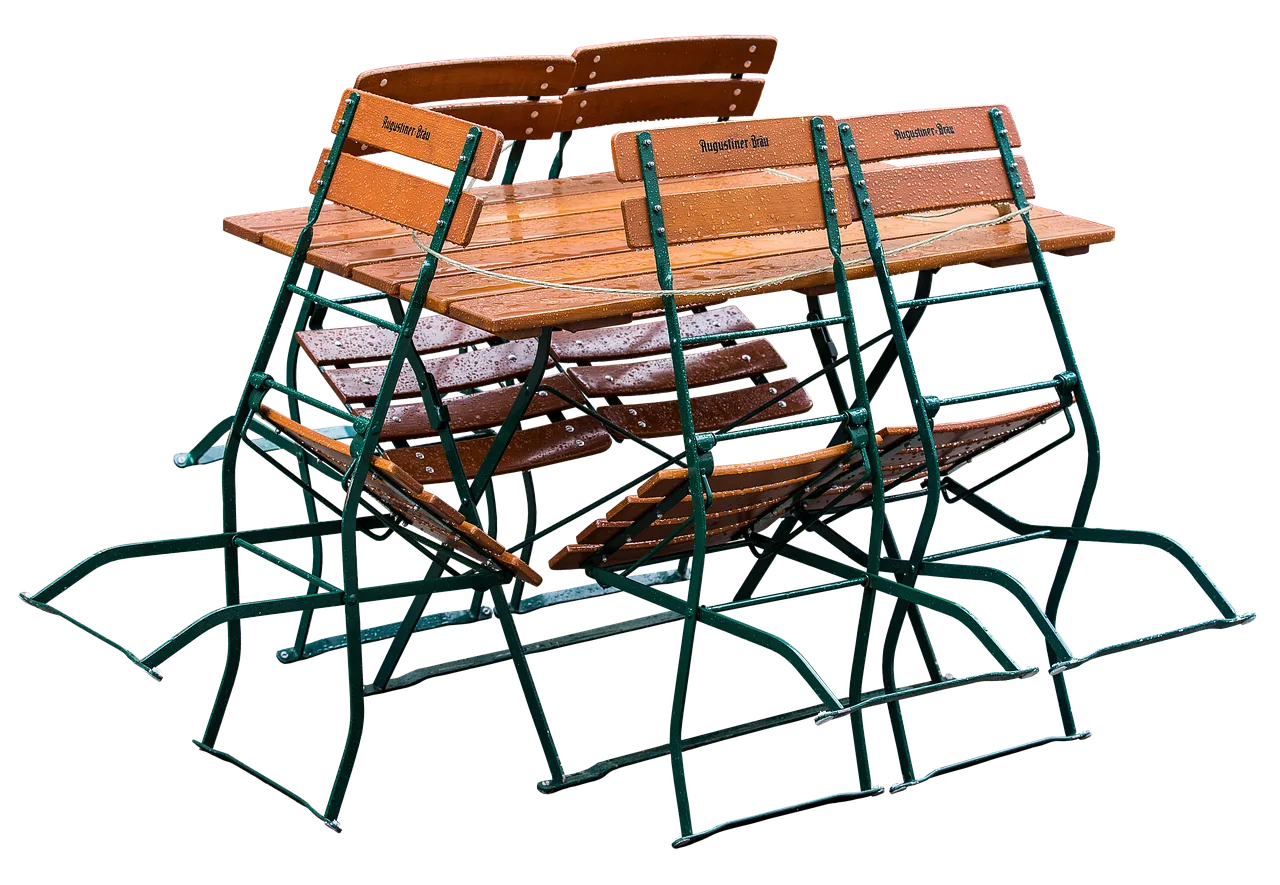
- Seating in one style, in a quantity that seats a whole event you intend to serve.
- Tables that match that seating count, in the sizes local venues actually use.
- Linens sized to those tables, with enough spares to cover the ones that come back stained.
- Tableware if you carry it, counted in place settings rather than in loose pieces.
- Serving equipment, which is small, easily lost, and worth counting separately.
- Spares of every core line, held out of the sellable count.
Spares are the line new owners defer. Without them, one broken table on Friday becomes a call to a customer on Saturday morning.
Group two: handling
- Chair carts and table carts sized to the stock you bought.
- Hand trucks and dollies rated for the heaviest single item.
- Moving blankets and corner protection for finished surfaces.
- Ratchet straps in enough quantity that a crew never has to decide whether this load needs them.
- Shelving and racks that keep stock off the floor and in counted positions.
- Bins for damaged stock, clearly marked and physically separate from good stock.
Handling gear is bought last and pays first. Carts decide how many stops a crew makes in a day, which is the real constraint on a Saturday. The wider argument for buying movement before variety is set out in the party rental equipment and setup guide.
Group three: transport
- A vehicle whose interior height, floor length, and loading method match the carts you own.
- A ramp or liftgate chosen from where you actually deliver, since grass and docks want different answers.
- Tie-down points, load bars, and a way to secure a part-empty truck.
- A basic breakdown kit and a plan for what happens when the truck is out of service in your busiest week.
The deferred item here is the backup plan. Decide in advance which local yard or rental company would cover a delivery for you, and ask them before you need to.
Group four: cleaning and repair
- A wash area sized to a full weekend of returns, with drainage.
- Drying space, which is the station that most often becomes the bottleneck.
- A laundry route for soft goods, whether in house or contracted, with a turn time you have confirmed in writing.
- An inspection table with good light, because damage found at check-in is recoverable and damage found at delivery is not.
- A repair bench with the fasteners, feet, connectors, and tools your core lines consume.
Cleaning capacity is inventory. Stock that takes three days to come back into service is stock you cannot rent on Thursday, which is the reasoning behind the turn time discussion in the delivery and maintenance guide.
Group five: the paperwork that travels
- Pull sheets with access notes, delivery windows, and signature points.
- Delivery notes the customer signs, with the count on them.
- Check-in sheets used the day the truck returns.
- Manufacturer instructions and stated limits for anything installed or stood upon.
- Current insurance and permit documents, in the truck as well as the office.
Internal Revenue Service: What kind of records should I keep? sets the general standard for business records: a system that clearly shows income and expenses and preserves the documents behind them. Signed delivery notes and check-in counts are those documents, and they are what settles a disputed charge months later.
Which permits and certificates belong in that folder is a local question, and the method for answering it is set out in the licensing and compliance guide for rental owners.
The safety lines that are not optional
Three items belong on every list regardless of what you rent.
Personal protective equipment appropriate to the work, kept where crews actually load rather than in an office cupboard. A first aid kit in each vehicle. And a written rule about two-person lifts, with the weight or the item types that trigger it named rather than left to judgment at the end of a long day.
Occupational Safety and Health Administration: Safety Management describes the parts of a working safety program: leadership commitment, worker participation, hazard identification and control, training, and reviewing the program instead of filing it. In a rental yard, the hazards worth designing out are lifting, moving vehicles in the yard, and items falling from a stack.
What to defer, and what never to defer
Defer variety, decorative categories, and anything you have been asked for only once. Those can be subrented while you learn whether the demand is real.
Never defer spares, handling gear, or check-in capacity. All three feel optional and all three decide whether your second weekend goes better than your first.
U.S. Bureau of Labor Statistics: Meeting, Convention, and Event Planners describes planners who place many of your larger orders. They solicit bids, inspect venues, coordinate services during the event, and review bills afterward.
They inspect your equipment for a client who will never see your warehouse. That is a good reason to buy the inspection table before the decorative line.
Once the list is complete and priced, the guide to starting a party rental business sets out the opening sequence for the business itself.
The expansion and market guide works through when to add a second location or category.
Common questions
How many chairs is a sensible first purchase?
Enough to seat one whole event of the size you intend to quote, plus spares. The number is different for a yard serving backyard parties and one serving three hundred guest weddings, and copying either without matching your own market produces stock you cannot sell.
Should linens be washed in house?
Only if you have the drying space and the labor, since drying rather than washing is what limits turn time. Many yards contract laundry and keep an inspection step in house, which is the part that protects the customer.
Is a trailer a reasonable substitute for a truck?
For a small operation, often yes, and it removes a large fixed cost early. Check what license and vehicle rating you need for the loaded weight before you rely on it.
What belongs in the truck that is not on this list?
Whatever your last three difficult deliveries needed and did not have. Keep a running note in the cab for a season and it will write its own list.